Culture & Heritage
Ghana's cultural wealth is as rich and diverse as the land itself — from Kente cloth to highlife rhythms, chieftaincy to festivals.
Kente — The Cloth of Kings
Kente is one of the world's most recognisable textiles. Originating from the Asante and Ewe peoples of Ghana, each kente pattern carries specific meaning — communicating the wearer's status, values, and identity. The cloth is woven in narrow strips on a traditional loom and then sewn together.
Traditional kente uses colour symbolically: gold represents royalty and wealth, green represents growth and renewal, red signifies political strength and shedding blood for the nation, and black represents maturity and ageing.
Adinkra Symbols
Originating with the Akan people, Adinkra symbols represent concepts, proverbs, and historical events. They are printed on cloth, stamped on pottery, and carved into architecture across Ghana.
.jpg)
Adinkra Symbols & Their Meanings
Ghana is a country of festivals — vibrant, colourful, and deeply spiritual celebrations that honour ancestors, mark harvests, and unite communities across every region.

Homowo
The "Hooting at Hunger" festival celebrates overcoming famine. Families gather to share traditional palm nut soup and kpokpoi, honouring ancestors and strengthening family bonds.

Odwira
An annual purification and yam harvest festival held in September/October. Chiefs are enstooled, the community cleanses itself spiritually, and new yams are offered to the ancestors.

PANAFEST
The Pan-African Historical Theatre Festival, held at Cape Coast Castle, celebrates African heritage, reconnects the diaspora, and honours those lost to the transatlantic slave trade.

Bakatue
The "opening of the lagoon" marks the start of the fishing season at Elmina. The chief fisherman opens the lagoon with a ceremonial cast, and the festival features durbars, boat racing, and cultural displays.
Highlife — Ghana's Original Sound
Born in Ghana in the early 20th century, Highlife is the genre that defines Ghanaian musical identity. A fusion of traditional Akan music, Western brass band, and guitar-band sounds, it gave birth to legends like E.T. Mensah, Osibisa, and Ebo Taylor.
Afrobeats & Afropop
Ghana's contemporary music scene is globally influential. Artists like Sarkodie, Stonebwoy, KiDi, Kuami Eugene, and Black Sherif have brought Ghanaian sound to international stages, blending Highlife, Afrobeats, dancehall, and hip-hop.
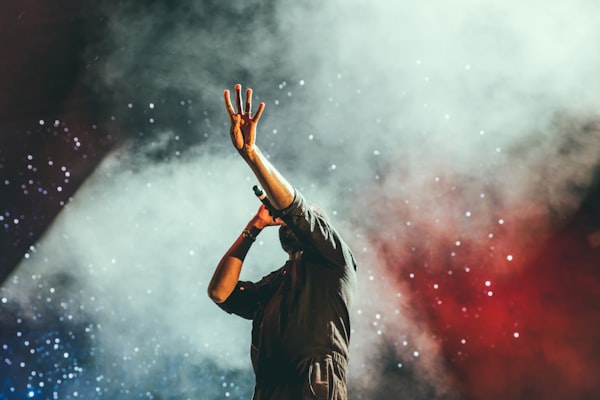
Traditional Drumming & Dance
The Fontomfrom royal drums of the Asante, Kpanlogo dance of the Ga people, and Adowa funeral dances are UNESCO-recognised cultural expressions. Every region has its own percussive traditions that communicate history without words.

The Chieftaincy Institution
Ghana's chieftaincy system is one of the continent's most vibrant traditional governance structures. Recognised under Article 270 of the 1992 Constitution, traditional rulers play a crucial role in community development, conflict resolution, land management, and cultural preservation.
The Asantehene — King of the Asante
The Asantehene (currently Otumfuo Osei Tutu II) is the paramount ruler of the Asante Kingdom and one of Africa's most respected traditional leaders. The Golden Stool (Sika 'Dwa Kofi) is the sacred symbol of the Asante nation's soul — no one may sit on it.
National House of Chiefs
Ghana's National House of Chiefs advises the government on customary law and traditional matters. Regional Houses of Chiefs in every region ensure traditional governance is embedded in local administration.
Ghanaian cuisine is bold, hearty, and deeply communal. Meals are rarely eaten alone — food is a language of love, welcome, and shared identity.
Jollof Rice
Ghana's Jollof — cooked over wood fire for its signature smoky taste — is a national pride and the centrepiece of every celebration, funeral, and Friday gathering.
Fufu & Light Soup
Pounded cassava and plantain served in an aromatic light soup with chicken, goat, or fish. Eaten communally with hands, fufu is the soul food of Ghana.
Tuo Zaafi (TZ)
A smooth millet or corn dough served with a thick ayoyo leaf soup and dried fish. The staple of northern Ghana and an increasingly celebrated dish nationwide.
Kenkey & Fried Fish
Fermented corn dough steamed in corn husks, served with hot chilli pepper and fresh-fried tilapia or herring. The quintessential seaside meal in Accra and beyond.
Red Red (Bean Stew)
Spicy black-eyed pea stew cooked in palm oil, served with fried plantain. A street food favourite that is affordable, filling, and utterly delicious.
Ghana is home to over 80 distinct languages and dialects — a testimony to the richness of its ethnic diversity. While English is the official language of government and education, Ghanaian languages carry identity, wisdom, and culture that no translation can fully capture.
Major Ghanaian Languages
Twi (Akan)
Spoken by approximately 44% of Ghanaians, Twi (and related Akan dialects like Fante) is the most widely spoken indigenous language in Ghana and serves as a lingua franca in many parts of the country.
Dagbani & Dagaare
Spoken across northern Ghana, Dagbani is the language of the Dagomba people of the Northern Region. Dagaare is spoken in the Upper West Region. Both carry rich oral traditions.
Ewe & Ga
Ewe is spoken in the Volta Region and beyond into Togo and Benin. Ga is the language of the Ga-Dangme people of Accra. Both have vibrant literary and musical traditions.
Be an Active Citizen
Culture is best preserved through participation. Learn your rights and play your role.
Civic Education → Get Involved